One product, three platforms, zero consistency
MetaMap is a white label KYC company: it provides software to verify end people's sensitive documents — ID cards, passports, bank statements.
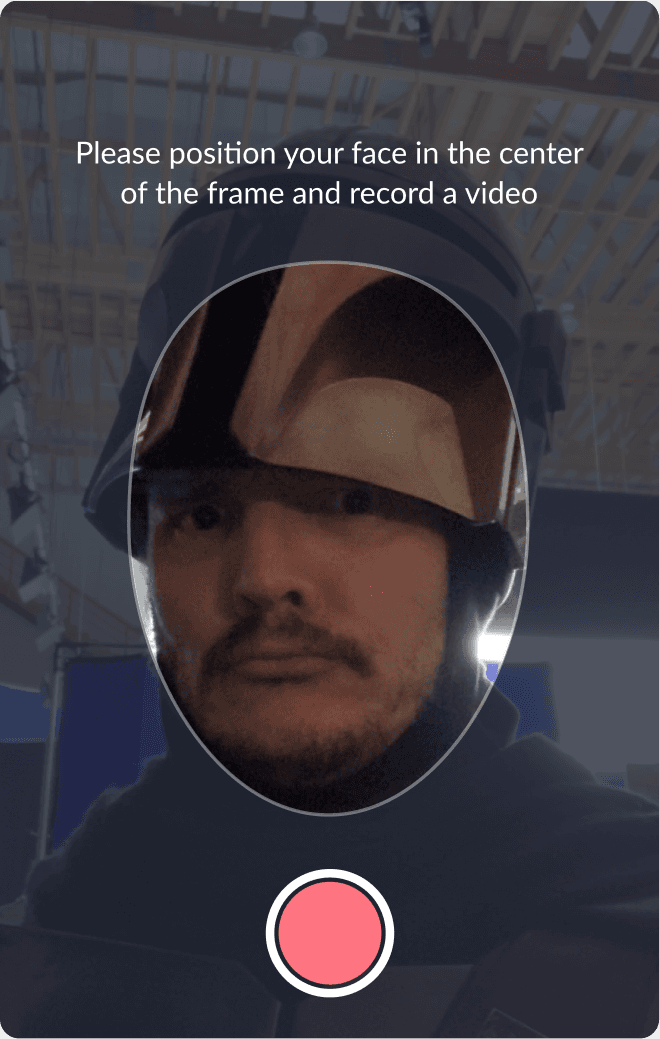
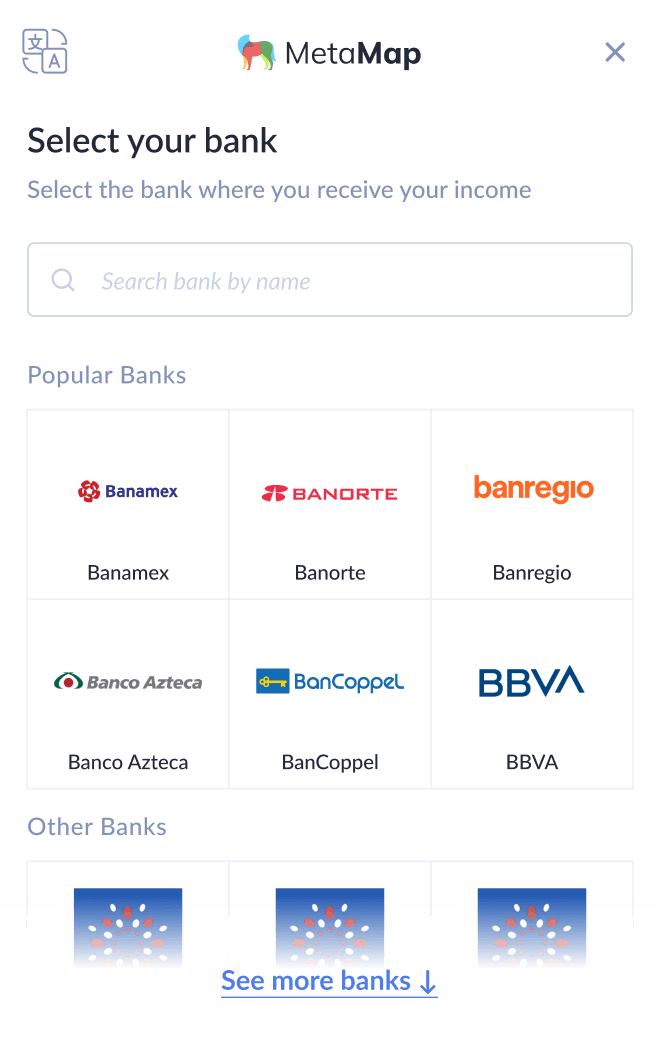
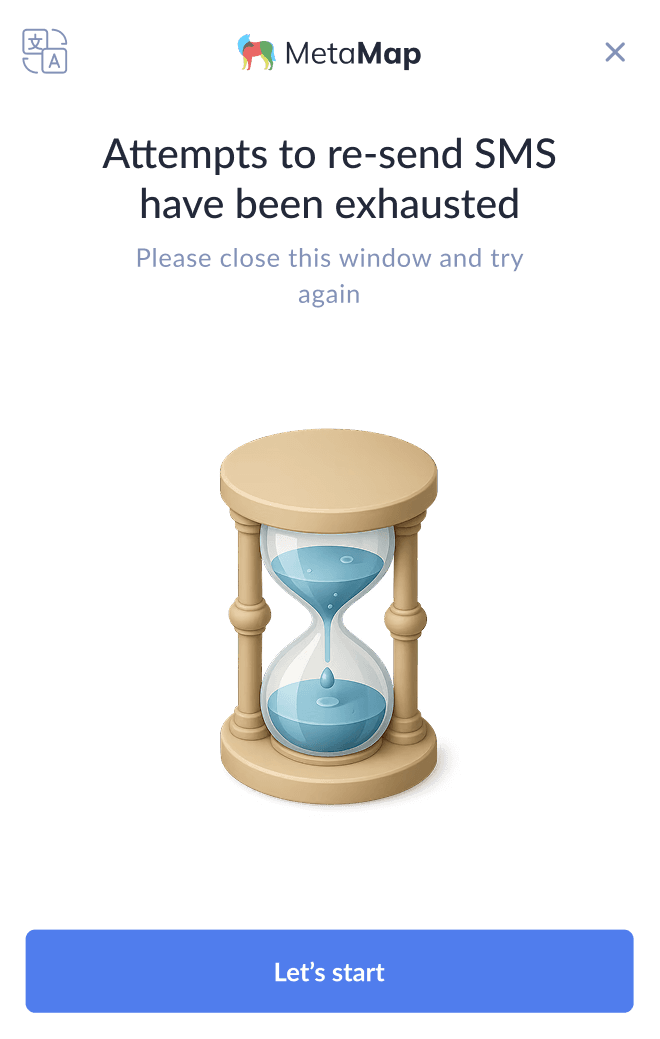
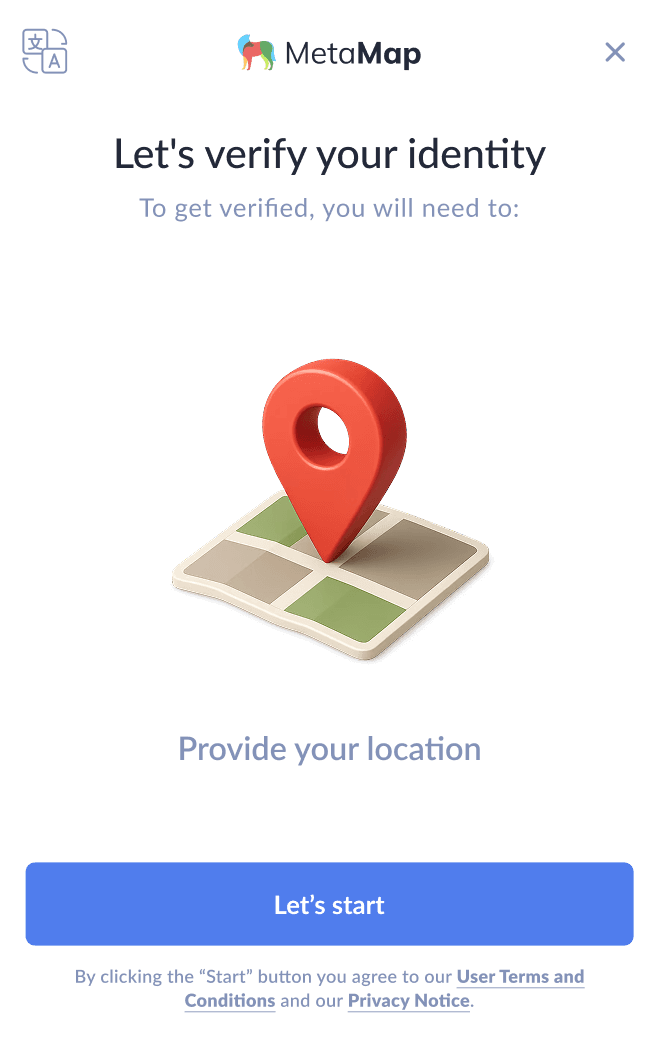
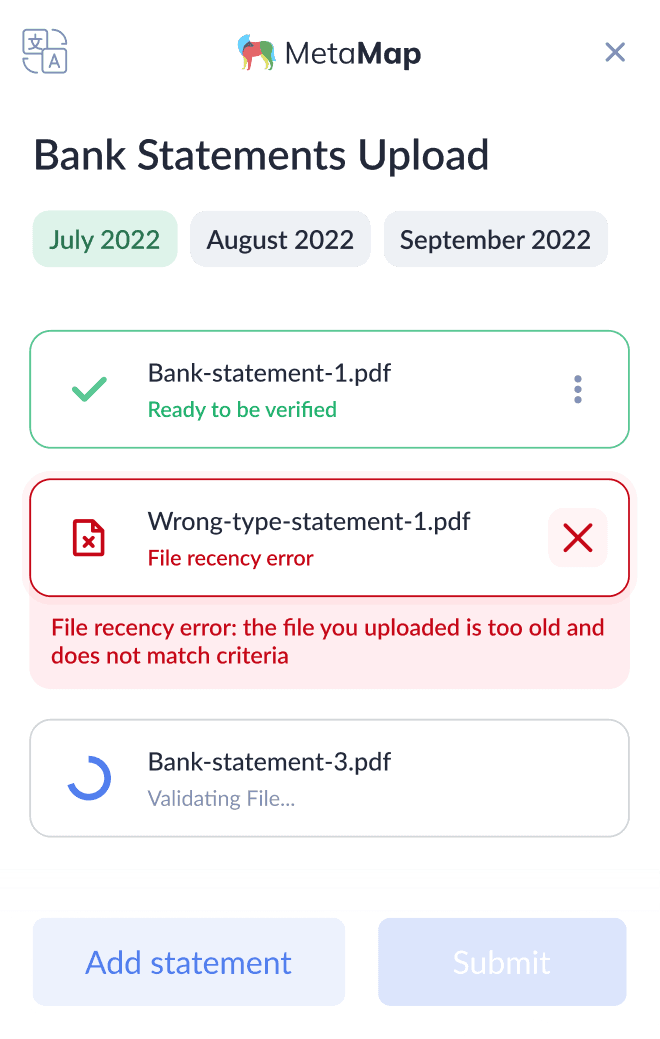
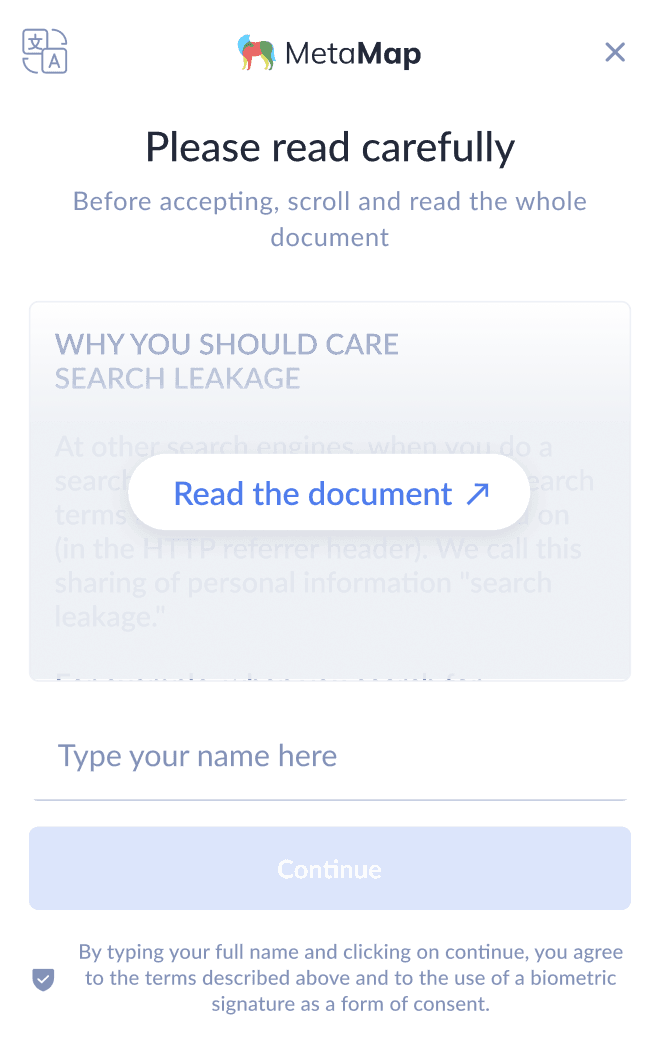
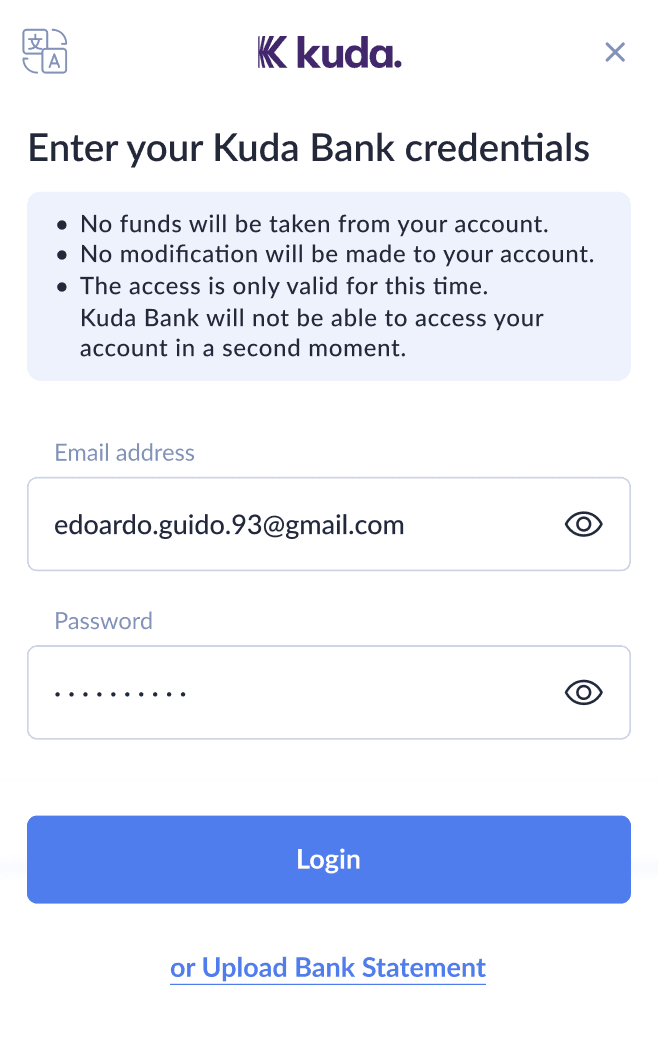
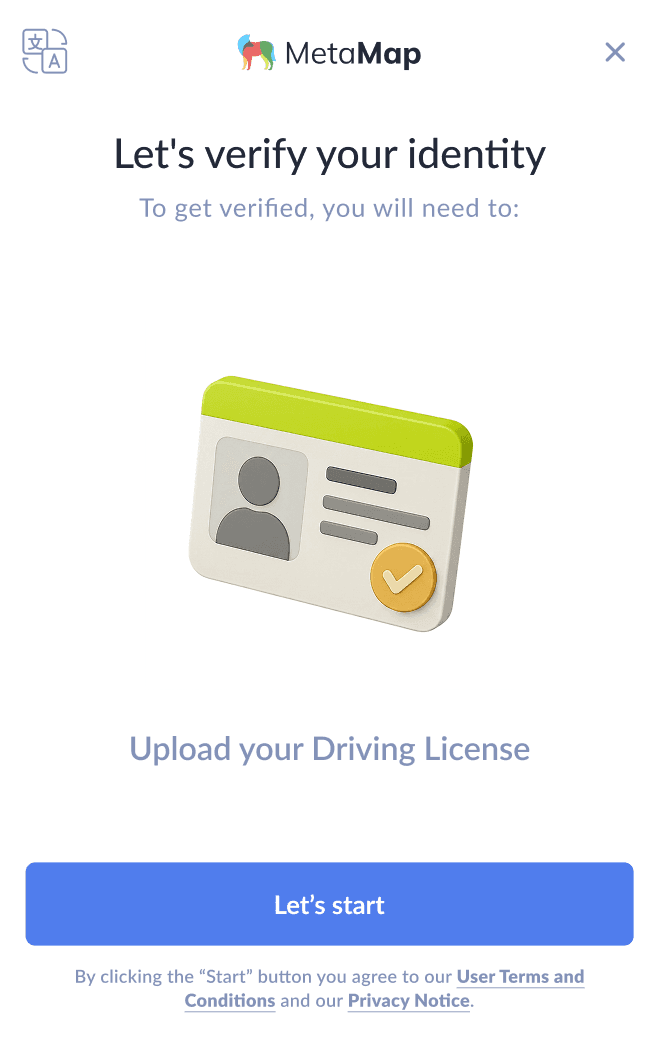
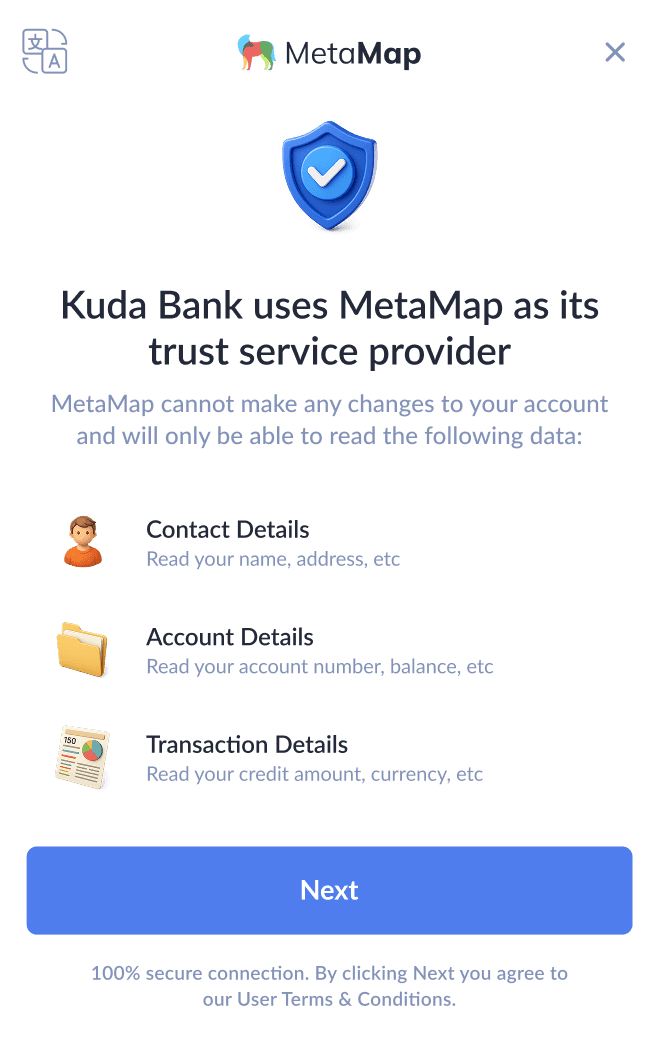
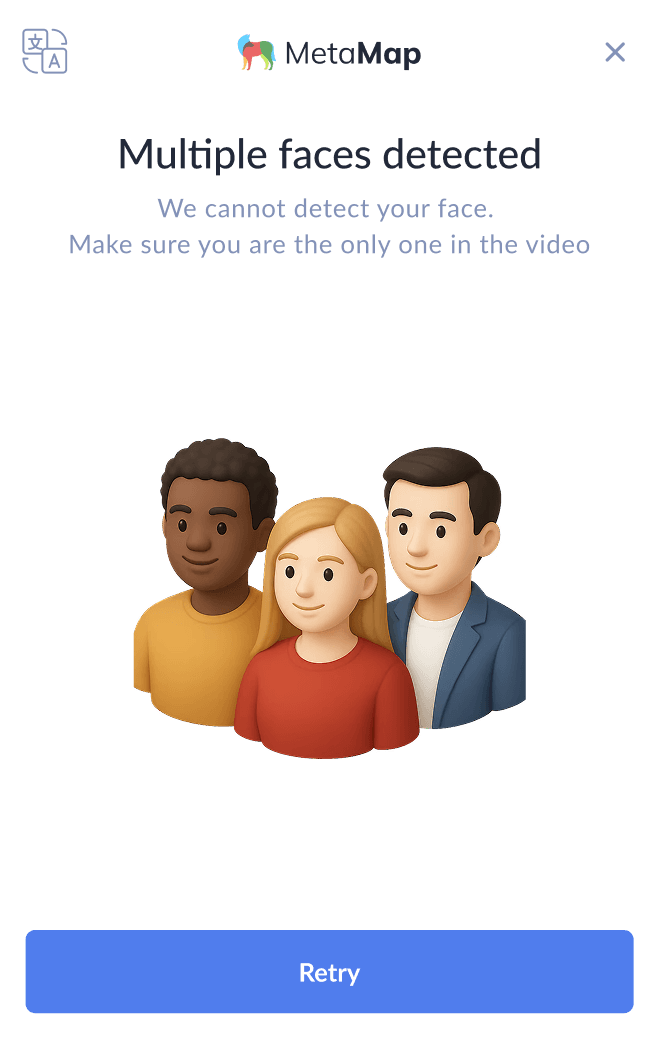
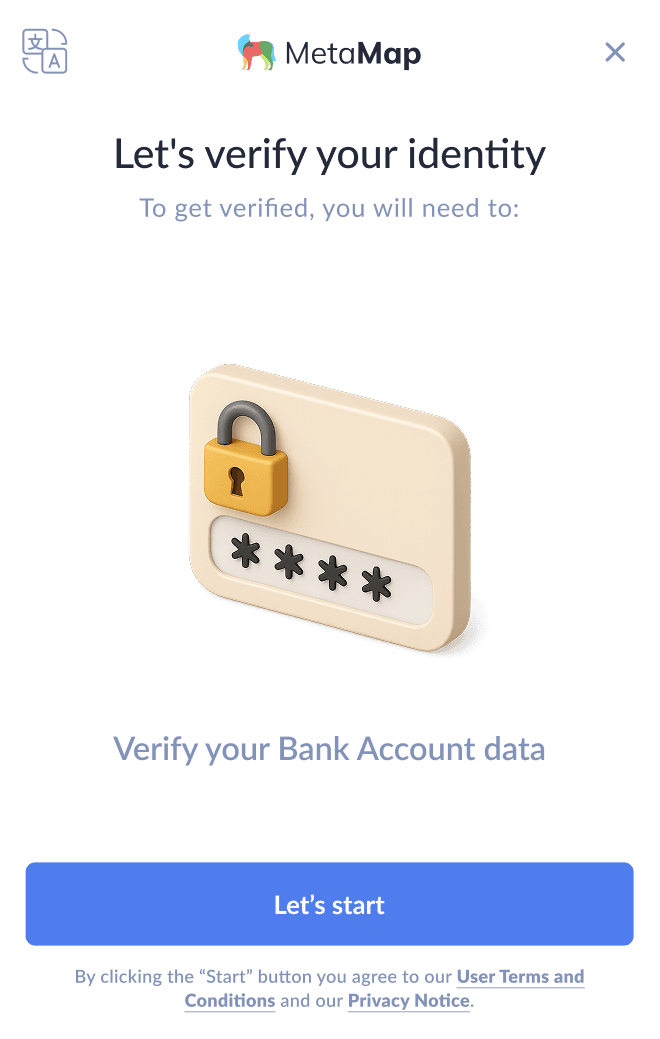
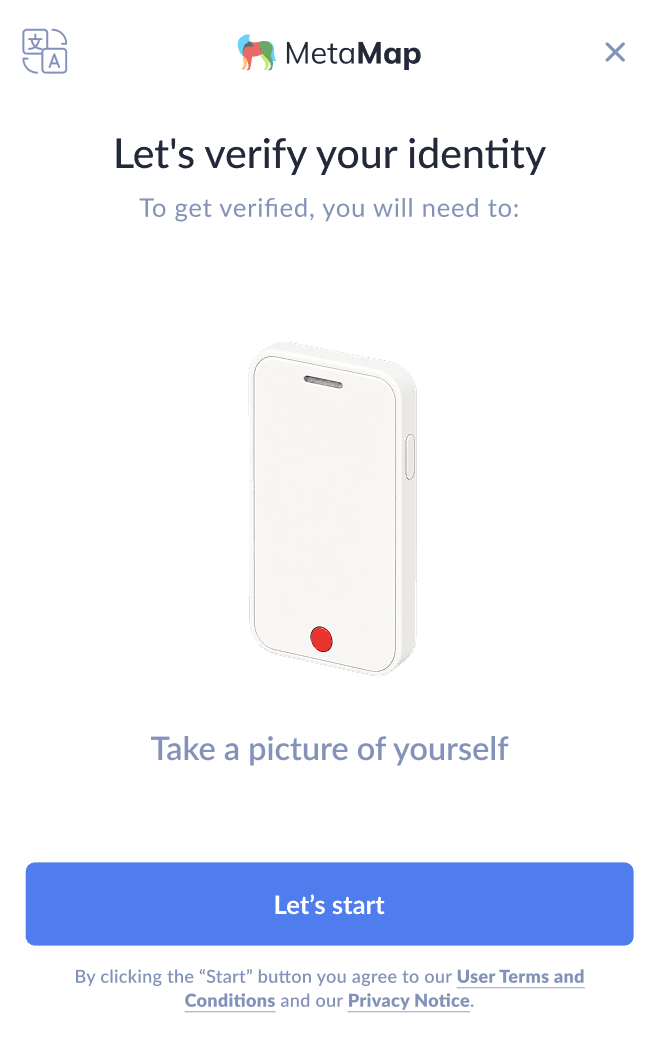
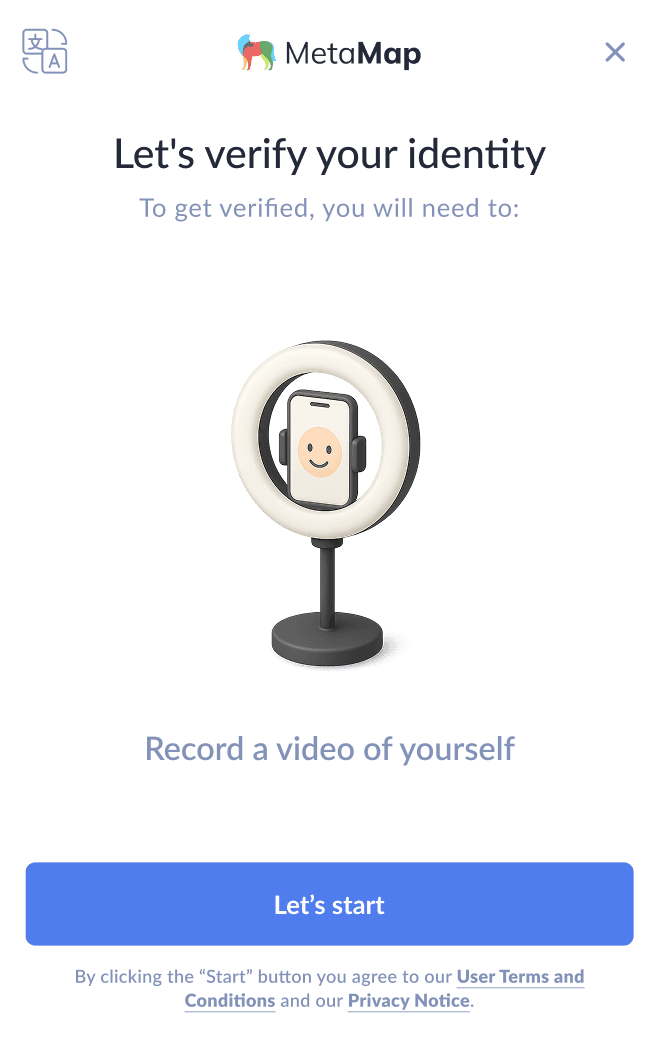
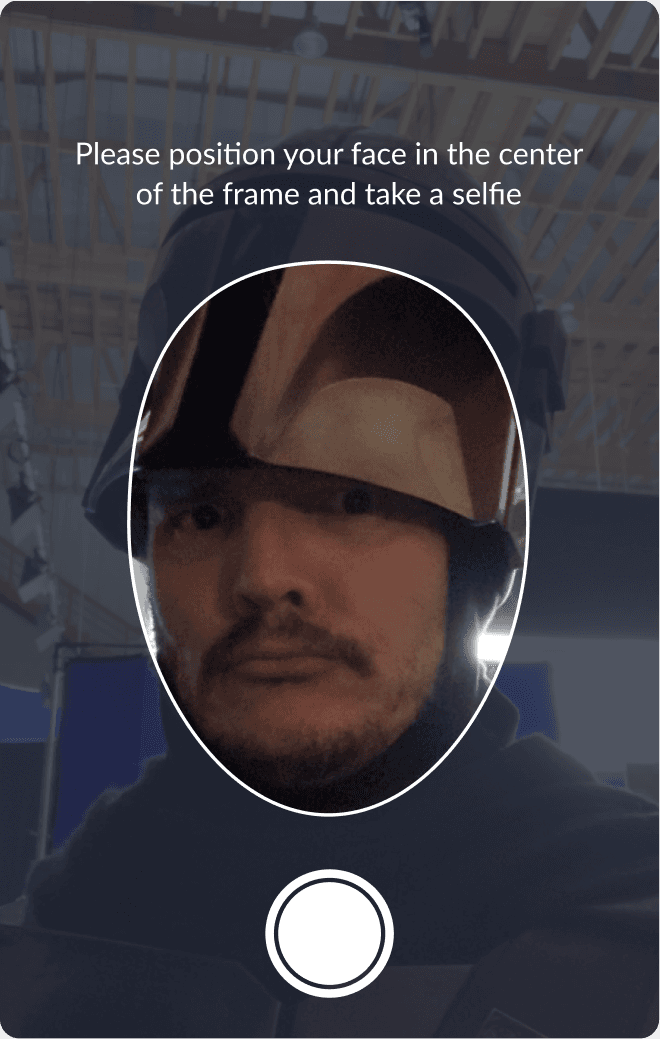
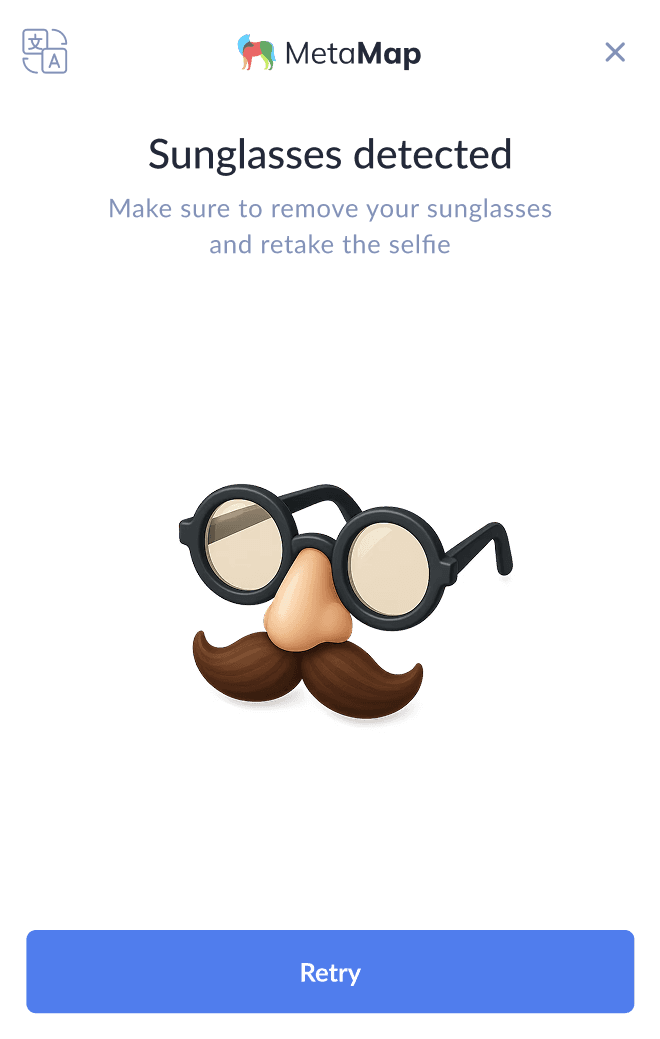
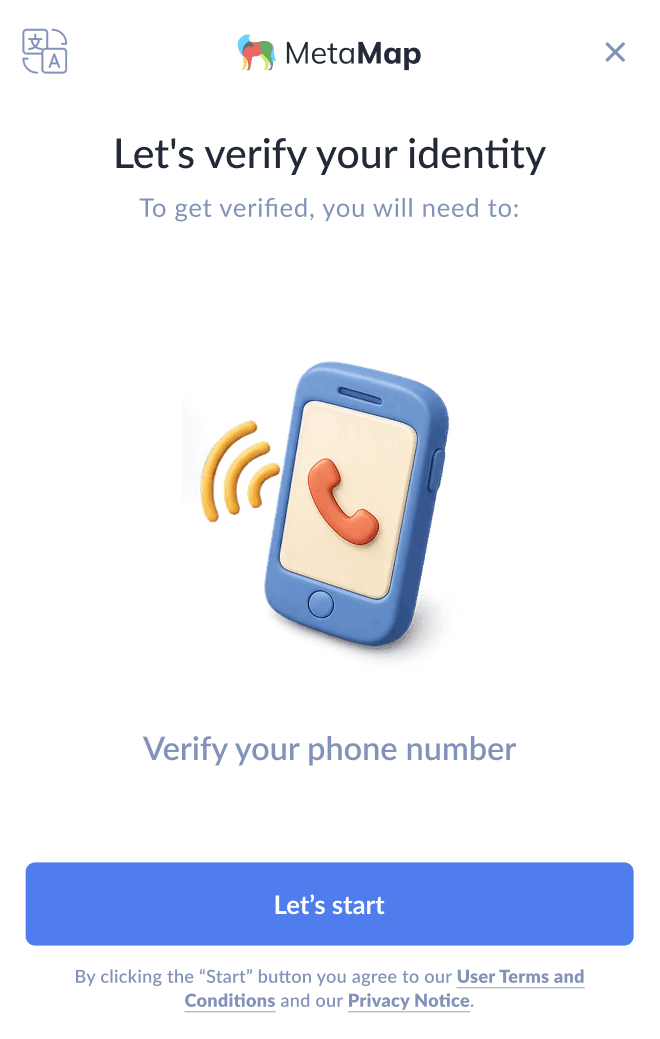
Their vendor software is cross-platform (Android, iOS, web) and serving people across the globe, but each platform is built by a different team. This resulted in staggered, slower releases and a fragmented user experience: screens disconnected from one another (logo sometimes at the top, sometimes at the bottom), primary actions barely prominent or missing entirely, unclear paths to the next step. An inconsistency that became even more evident when comparing platforms side by side.
The initiative nobody asked for
What was needed was something that could embrace every screen of the mobile SDK, fixing usability issues and increasing visual consistency, with a direct impact on product metrics such as average flow completion time and drop-off rate.
Nobody assigned me this task: I identified it, defined it, and proposed it myself. The challenge wasn't just a design one, but an organizational one — earning buy-in from the C-suite and coordinating three independent development teams.
From a Figma fork to a C-suite keynote
In order to succeed, I translated design into business language. My freelance experience had taught me that talking about usability wouldn't lead to adoption. So I reframed the storytelling: the design system as a tool to cut feature release time in half — the same approach Airbnb and IBM used to reduce release times by 50%. This became the core argument of a keynote I presented to the CPO, CTO, and COO during an offsite in Bangalore.

I led the execution. The keynote led to the creation of a dedicated working group with the Engineering Managers of the three platforms, coordinated by me, with weekly alignments on Slack and in meetings. Figma files, guidelines, and most of all live sandboxes like the one below removed doubts the dev teams had been carrying for more than two years, taking the guess out of development.
Impact
Beyond the numbers, the lesson I carry with me: design gets resources when it speaks the language of business. I didn't sell visual consistency — I sold speed.